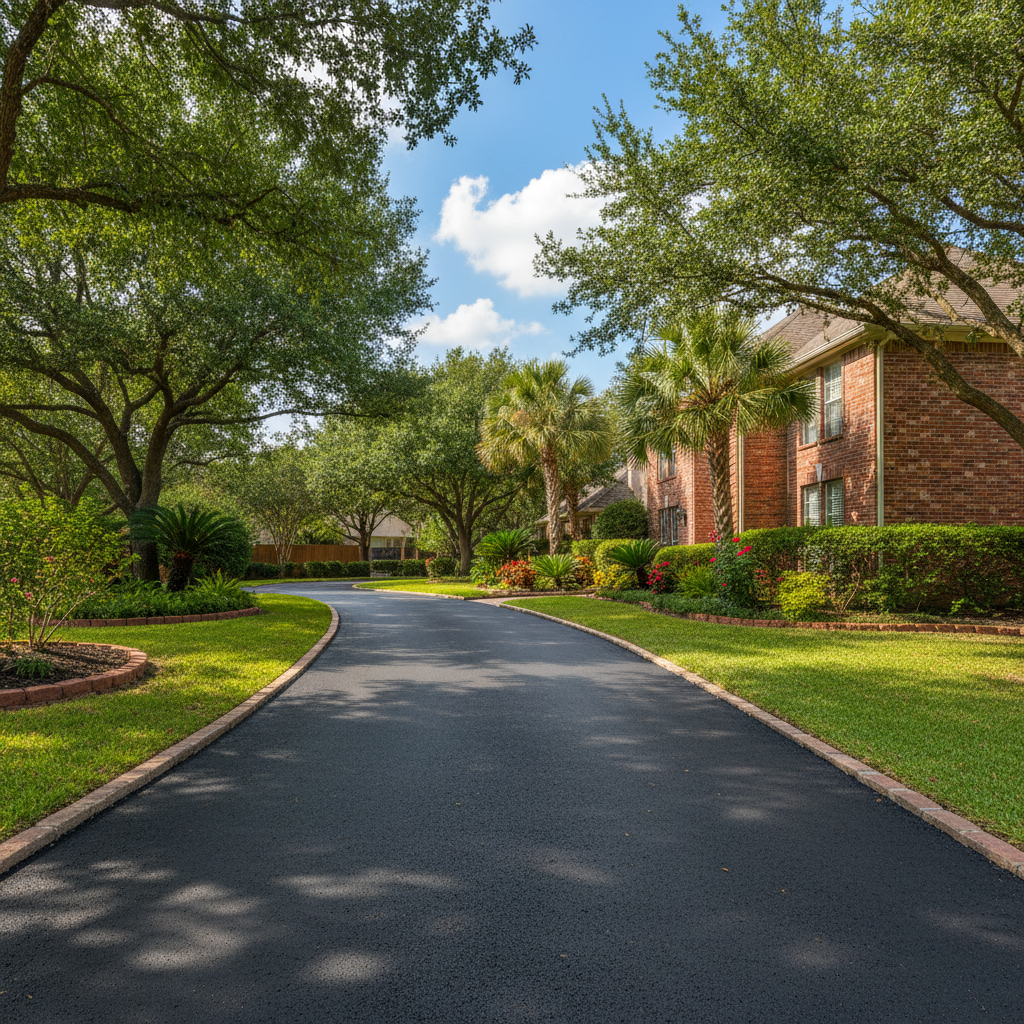
So, you're finally ready for that new asphalt driveway, or maybe you're just looking to reseal the one you've already got. Smart move. But here in Houston, you can't just pick any random day off the calendar and expect everything to turn out perfectly. Our weather? It's a whole different animal down here, and it really dictates how well your asphalt cures and how long it'll actually last.
When's the Best Time to Pave in Houston?
This is probably the question I hear most often. Generally speaking, you want moderate temperatures and dry conditions. For us Houston folks, that usually means spring and fall. Picture late March through May, then again from late September through November. Why those times, you ask?
- Temperature is everything: Asphalt needs to be laid when both the ground and air are warm enough to compact it right. But not so hot that it cools too fast, or, you know, makes the crew absolutely miserable. We're aiming for that sweet spot, ideally between 50°F and 85°F. If it's too cold, the asphalt mix stiffens up way too quickly, making it tough to get a smooth, dense surface. Too hot, and it can stay soft for too long, which can lead to ruts, especially with heavy vehicles.
- Moisture matters, big time: You absolutely, positively should not lay asphalt on wet ground or during a rainstorm. Water trapped underneath the asphalt can cause all sorts of headaches down the road—we're talking cracking, potholes, the works. That's why those dry stretches in spring and fall are just perfect.
Summer paving? Yeah, we can do it, but it's a much tougher gig. Those 100-degree days we get are brutal on our crew, and they can make the asphalt cure almost too fast, sometimes before we even get it perfectly smooth. Winter paving is usually a no-go, unless we happen to catch a really mild, dry spell, which honestly isn't common enough to count on.
Houston Weather & Your Driveway: What to Keep an Eye On
Once your driveway's in, our local climate keeps doing its thing. You really need to understand what you're up against to protect your investment.
- Heat and UV Rays: Our intense Houston sun is a major culprit when it comes to asphalt breaking down. UV radiation actually breaks down the asphalt binder, making it brittle and faded over time. This, naturally, leads to surface cracking.
- Heavy Rains and Humidity: We get a lot of rain around here, sometimes in biblical proportions. Water seeping into cracks can expand and contract with temperature changes—especially if we get one of those rare freezes—leading to bigger cracks and potholes. High humidity also keeps moisture hanging around in the air and ground, which isn't exactly ideal for asphalt's long-term health.
- Expansive Clay Soils: This is a huge factor for Houston. Lots of areas, especially out towards Katy or Sugar Land, sit on highly expansive clay soils. These soils swell up when they get wet and shrink when they dry out. If your sub-base isn't prepared correctly, this constant movement can put immense stress on your asphalt, causing cracks and uneven surfaces. That's why proper excavation and a good, stable base are non-negotiable for us at Pacific Asphalt Inc.
Year-Round Protection for Your Asphalt Investment
So, once it's paved, what's next? What can you actually do?
- Sealcoating: This is your primary defense against the sun, rain, and chemicals. A good sealcoat every 2-3 years (depending on how much traffic it sees and sun exposure) replenishes the asphalt binder, protects against UV damage, and makes the surface more resistant to water and oil spills. Think of it like sunscreen for your driveway, right?
- Prompt Crack Repair: Don't let those small cracks turn into big problems. The moment you spot a crack, get it filled. This stops water from getting down into the sub-base, which is where the real damage really starts.
- Keep it Clean: Oil and gas spills can actually dissolve asphalt. Clean them up fast. Also, try to avoid parking heavy machinery or RVs in the exact same spot for long periods, especially when it's hot, as this can cause depressions or ruts.
- Drainage is Crucial: Make sure water drains away from your driveway, not onto it or pooling on the surface. Getting the grading right during installation is key, but sometimes landscaping changes can mess with drainage. Just keep an eye on it.
Taking care of your asphalt driveway isn't a one-and-done kind of deal, especially not here in Houston. By understanding our climate and taking some proactive steps, you'll keep your driveway looking sharp and performing well for many years to come. If you've got questions about your specific situation, just give us a call at Pacific Asphalt Inc. We're always happy to talk shop.